
What is dementia?
Dementia is a general 'umbrella' term used to describe a group of illnesses that affect how the brain works.
It can cause problems with memory, thinking, communication, and day-to-day activities.
It’s more than just forgetfulness — dementia makes it harder for a person to live their normal daily life
due to both the mental and physical impacts.

Is dementia just one illness?
No, dementia isn’t a single disease. It describes a range of conditions that affect the brain. Some of the most common types include:
Alzheimer’s disease – the most common type, often starting with memory loss.
Vascular dementia – caused by problems with blood flow to the brain (like hardened arteries or after a stroke).
Lewy body dementia – may cause memory problems along with changes in movement or behaviour.
Frontotemporal dementia – may affect personality or language at first.
Each type can look a little different, but they all affect brain function and daily function.
What are the early signs of dementia?
Early signs can be subtle and vary from person to person. Common symptoms include:
Regular forgetfulness, especially of recent events
Feeling lost in familiar places
Struggling to find the right words
Difficulty following conversations or making decisions
Changes in mood or behaviour
These signs may not always mean dementia, but it’s a good idea to speak with a specialist if you notice them.
Can dementia be treated?
While there’s currently no cure, there are treatments that can be prescribed to help manage symptoms and slow down progression of the illness. It is important to seek help early so that potential treatable causes of memory loss are diagnosed.
Is memory loss always dementia?
Not always. Some forgetfulness is normal, especially as we get older. Stress, low mood, sleep problems, other physical conditions or certain medications can also affect memory.
That’s why a proper assessment by a doctor specialising in this area is important — to find out what’s really going on. Dr Younge takes a holistic view, ensuring dementia screening blood results are satisfactory or organising more specialist bloods, if necessary, to rule out treatable conditions like vitamin B12 deficiency. Brain scanning may also be helpful in clarifying diagnosis.
If you or a loved one are experiencing memory problems or other changes, you're not alone.
I offer supportive, confidential assessments here in Belfast, focused on older adult mental health.
Together, we can explore what’s happening and what can help.
Contact me today to book an initial consultation.
Latest research showing vitamin B12 deficiency associated with hippocampal atrophy (crucial memory role in brain)
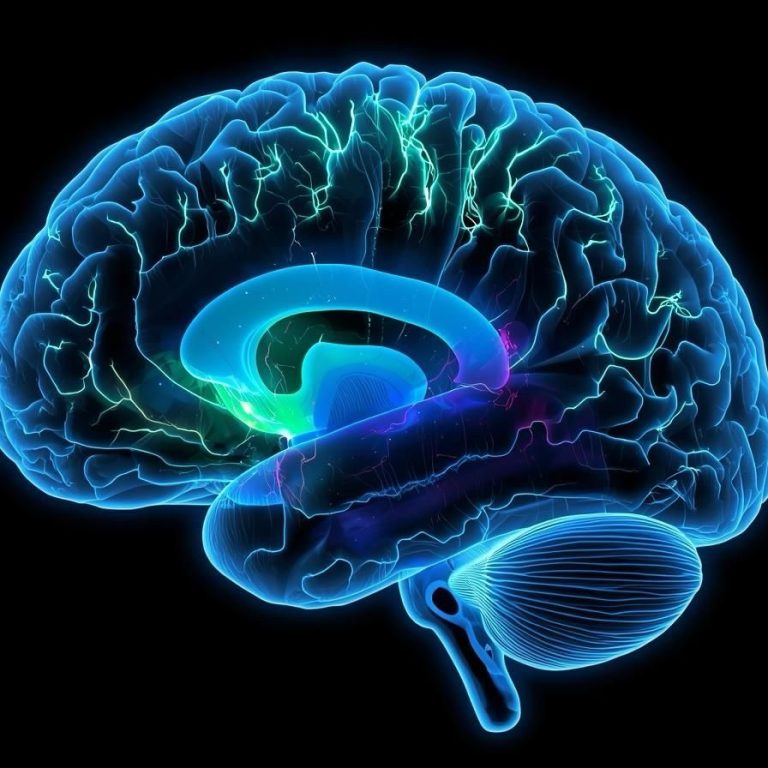
What is dementia?
The Royal College of Psychiatrists explains what dementia is, common types and risk factors and probability of developing dementia with age in this 2 minute video with subtitles
Dementia Prevention
Dementia isn’t an inevitable part of aging. In fact research shows that up to 40% of dementia cases could be prevented or delayed by addressing key lifestyle factors. Small lifestyle changes today can protect your brain health tomorrow. It’s never too early—or too late—to start. Generally anything which is good for your heart is also good for your brain.
Here are the top 4 modifiable risk factors:
Physical Inactivity
Regular exercise boosts brain health by improving blood flow, reducing inflammation, and supporting brain cell growth. Aim for at least 150 minutes of moderate activity per week (e.g. brisk walking) which is linked to a reduced risk of cognitive decline by up to 30%.
Stop
Smoking
Studies show up to a 30–50% increased risk of dementia in long-term smokers. Smoking damages blood vessels, reduces oxygen to the brain, and increases the risk of cognitive decline, especially in mid-life. Quitting at any age can significantly reduce your risk. The younger you quit, the more your brain can recover. Quitting before age 40 can eliminate up to 90% of the excess risk of smoking-related diseases, including dementia.
High Blood
Pressure
Midlife hypertension (40s–60s) has the strongest link to dementia risk. Hypertension can damage brain blood vessels and accelerate memory loss. Managing blood pressure through diet, exercise, and medication is crucial. A major study (SPRINT-MIND) found that intensive BP control reduced the risk of mild cognitive impairment (MCI), a known precursor to dementia.
Social
Isolation
Social isolation increases the risk of cognitive decline and dementia, particularly after age 45. Staying socially active supports cognitive resilience. Regular interaction with friends, family, or community groups helps keep the brain engaged and healthy. Social isolation has measurable effects on the brain. Recent research from Harvard reports the quality of our relationships impact both physical and mental health.